
Designing better public services in North East Lincolnshire
At North East Lincolnshire Council, Katie Patterson and Jack Seaton used their Service Designer apprenticeships to work on projects at the heart of public service delivery. Between them, their work covered children’s services, housing, accessibility, digital transformation and user-centred change. In a local authority serving around 156,900 people, improvements to housing, children’s services and access routes can affect large numbers of residents. [1]
Together, their stories show what service design looks like in practice in local government: improving how people experience services when they most need them. Katie focused on education services, while Jack worked on housing transformation and access to services, using the apprenticeship to apply service design tools to real projects with real users.
Finding a route into service design
Katie’s route into service design began when she moved from HR into what she described as “a prototype team for a new way of working”. In those early days, she was, as she put it, “little old me on my own at the start, learning what service design meant in practice.” Reflecting on that journey, Katie said:
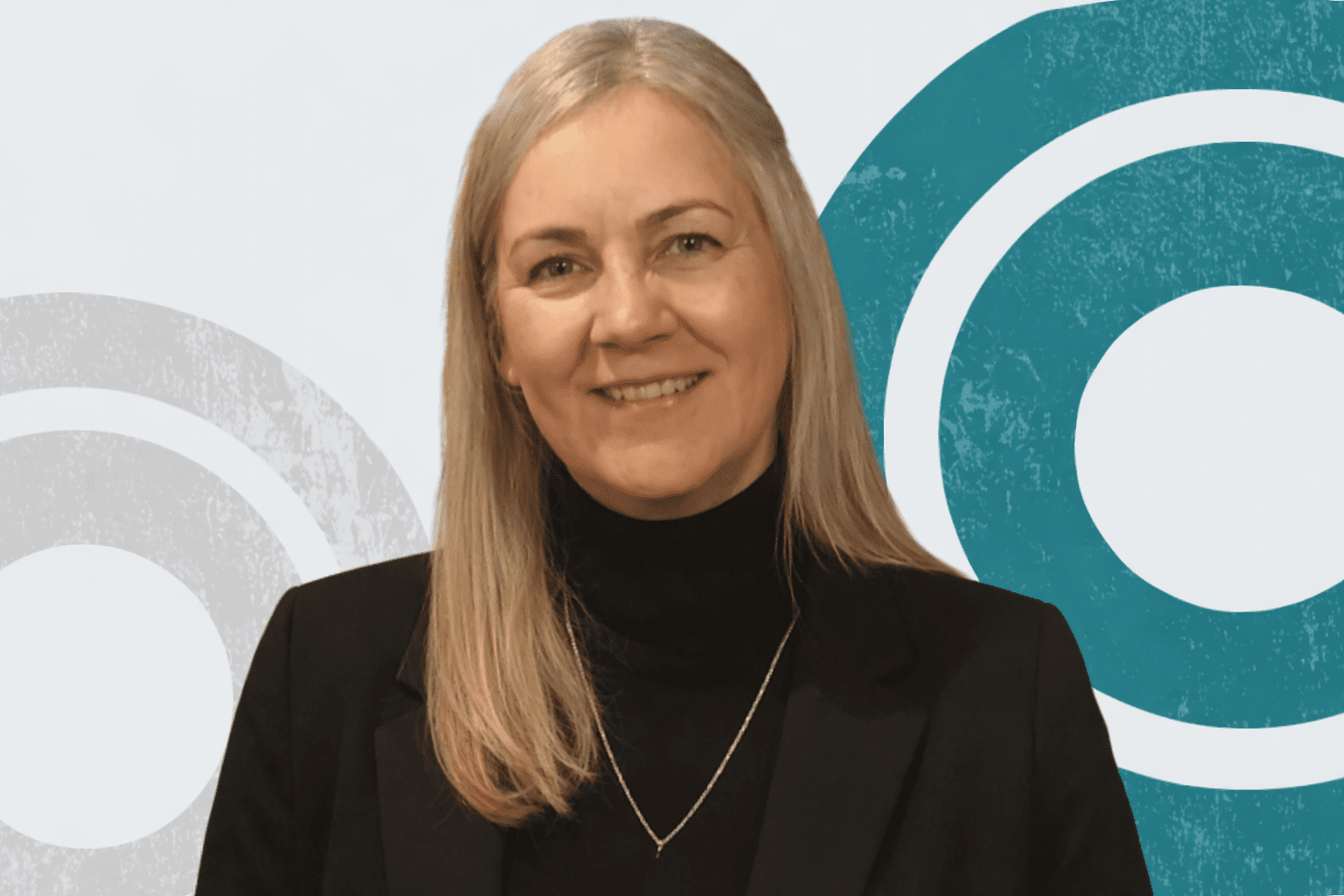
Jack came to service design from a different direction. He joined North East Lincolnshire Council on a graduate rotational placement, but after working on transformation projects he moved into a service designer role and started the apprenticeship as part of his development plan. His academic background was in politics, philosophy and economics, followed by a master’s degree in international politics, showing that there is no single route into service design.
Asked what drew him to the role, Jack said: “I think a lot of it was because it was very much evidence led and user led.”
Learning through live projects
For Katie and Jack, the apprenticeship was closely tied to their day-to-day roles. Rather than learning service design only in theory, they developed their skills through live projects already underway in the council. That meant using discovery, research, mapping, testing and iteration in real service areas, then reflecting on that work through the apprenticeship.
Assignments were built around real workplace projects, so the apprenticeship became a structured way to strengthen the work they were already doing. Instead of stepping away from the job to complete separate tasks, they were able to use live council projects as evidence for their learning, applying new methods in practice and then writing up what they had done, why it mattered and what changed as a result.
This close link between learning and practice was one of the things that made the programme so effective. It meant that their learning could immediately feed back into service improvements for residents, while also helping them build confidence and capability in their roles.
Key projects included:

Building confidence through the apprenticeship
For both Katie and Jack, the apprenticeship gave structure, language and confidence to work they were already beginning to do in practice.
For Katie, that meant validation as well as development. Having come into service design from another part of the council and largely taught herself, the apprenticeship gave her reassurance that the approaches she was using were grounded in strong practice.
She described having had “that niggle in the back of my mind” about whether, as someone self-taught, she was doing it right. The apprenticeship helped turn that experience into professional confidence. With that confidence, Katie attended a regional digital event for Yorkshire and Humber in Leeds, where she presented how service design sat at the centre of the new Children’s Services Platform. She is also an active member of the Local Government Service Design Network and is contributing to the design‑in‑local‑government Playbook, a resource that brings together real‑life experiences and practical tools from service design practitioners across local government. Katie said the apprenticeship had “really given me the confidence” to develop those external connections and keep growing professionally.
For Jack, the apprenticeship built confidence in a different way. While many of the tools were not entirely new to him, the programme helped him apply them more deliberately in complex settings and take on more visible leadership across projects. That included work spanning client experience, back-office processes, technology and change management.
Progression into new roles
By the end of their apprenticeships, both Katie and Jack were moving into new roles that reflected the growth in their skills and confidence. Katie moved on to a senior service designer role at North Lincolnshire Council, while Jack moved into a housing-focused project role at Hull City Council, taking the same user-led and evidence-led mindset into a role with broader project leadership responsibility.
Their progression shows the wider value of service design capability in local government: not abstract knowledge learned in isolation, but practical ways of improving systems, shaping better experiences for residents and helping councils respond more effectively to complex needs.
References
- [1] Office for National Statistics, North East Lincolnshire population change, Census 2021. https://www.ons.gov.uk/visualisations/censuspopulationchange/E06000012/
- [3] North East Lincolnshire Council, North East Lincolnshire Housing Strategy 2023–2028. https://www.nelincs.gov.uk/assets/uploads/2023/05/6.-North-East-Lincolnshire-Housing-Strategy-2023-28.pdf
- [4] Ministry of Housing, Communities and Local Government, Statutory homelessness in England: financial year 2024–25. https://www.gov.uk/government/statistics/statutory-homelessness-in-england-financial-year-2024-25/statutory-homelessness-in-england-financial-year-2024-25